Fintech

Fintech Reviews Nigeria: Honest Ratings of the Apps, Platforms and Services Shaping How Nigerians Manage Money

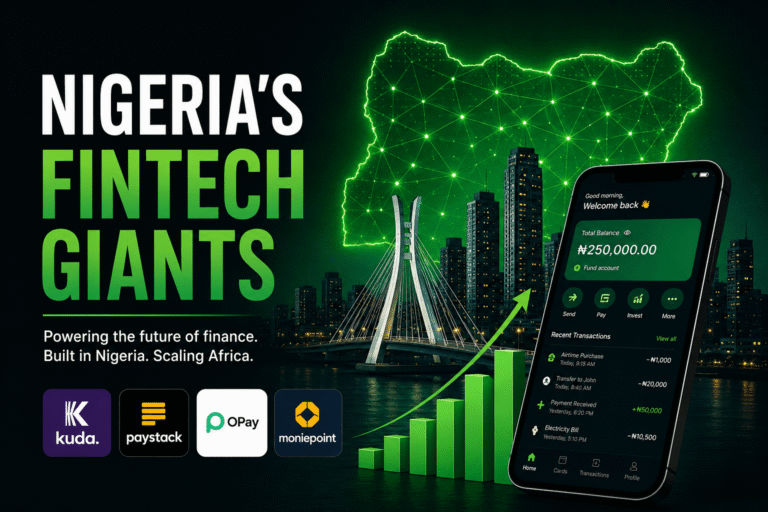
Nigeria is now home to more than 500 fintech companies – up from 255 in early 2024 and accounting for nearly 28% of all fintech firms across Africa. The nine largest Nigerian fintechs are worth a combined $10.6 billion. Moniepoint alone processed ₦412 trillion in 2025. OPay serves over 60 million users. PiggyVest has helped Nigerians save billions. Cowrywise lets first-time investors start with ₦1,000.

This growth is real. But the gap between what these platforms promise in their marketing and what Nigerian users actually experience on the ground is also real – and that gap is exactly what this category exists to close.

The Brands.Ng Fintech category is where Nigerian consumers, entrepreneurs, POS operators, freelancers, students, and small business owners come when they need to know the truth about an app before they trust it with their money. Not the App Store description. Not the influencer ad. The honest answer to the only question that actually matters: is this platform worth it for me, given my specific financial life?

Nigeria’s fintech landscape has made financial access meaningfully wider. A market trader in Aba can now open a savings account without a BVN hold-up. A fashion designer in Yaba can receive dollars from international clients. A student in Ibadan can invest in Treasury Bills from their phone. These are genuine achievements — and the platforms enabling them deserve fair, informed analysis, not blanket skepticism or promotional cheerleading.

What Nigerian fintech users deserve is something most platforms do not provide: complete transparency about fees, transaction limits, account freeze triggers, withdrawal timelines, and what actually happens when something goes wrong. That is the standard every review in this category is held to.

What We Cover

The Brands.Ng Fintech category reviews and analyses:

  • Mobile banking apps — neobanks, MFB-licensed digital banks, and app-based current and savings accounts (Kuda, Moniepoint, OPay, PalmPay, ALAT, Carbon)
  • Payment platforms — transaction gateways, wallet services, and transfer apps used by businesses and individuals
  • Loan and credit apps — CBN-licensed digital lenders, BNPL platforms, salary advance services, and peer-to-peer lending platforms
  • Investment platforms — savings and investment apps, stock trading platforms, dollar investment services, and mutual fund access tools
  • Dollar and FX solutions — grey-market and licensed platforms for receiving international payments, virtual dollar cards, and domiciliary account alternatives
  • Comparison articles — side-by-side analyses of competing platforms to help users choose the right one for their specific financial situation

How We Evaluate Fintech Brands in This Category

Every fintech review published on Brands.Ng is evaluated against a consistent framework developed specifically for the Nigerian market — not adapted from a Western template.

CBN licensing and regulatory compliance is the starting point. We verify current licence status, licence type (MFB, PSB, payment service provider, etc.), and any regulatory penalties or sanctions in the platform’s operating history. A platform’s CBN standing tells you whether your deposits have NDIC insurance and what recourse exists if something goes wrong.

Transaction reliability and speed is weighted heavily because Nigerian infrastructure makes this the variable that matters most. We examine how platforms perform during peak periods, end-of-month salary cycles, festive seasons, and after major system updates — not just under ideal conditions.

Fee transparency means we calculate the real cost of using a platform, including stamp duties, maintenance charges, card fees, withdrawal costs, and any charges disclosed in terms and conditions but not in the main marketing. “Zero fees” rarely means zero fees.

Account freeze and dispute resolution patterns are examined through publicly observable user experience patterns. What triggers an account restriction? How long does resolution take? What is the realistic escalation path, including the CBN Consumer Protection Department?

Customer support quality is assessed as a real variable, not an afterthought — because for most Nigerian fintech users, the quality of support during a problem determines whether the platform is usable at all.

Frequently Asked Questions: Nigerian Fintech Reviews

Which fintech app is the safest for saving money in Nigeria? The safest savings platforms are those holding a Microfinance Bank (MFB) licence from the CBN, as deposits in licensed MFBs are insured by the Nigerian Deposit Insurance Corporation (NDIC) up to ₦2 million per depositor. Kuda, Moniepoint, and Carbon all hold MFB licences. Always verify a platform’s current CBN licence status before depositing savings.

Are fintech apps in Nigeria legit? The majority of widely-used Nigerian fintech platforms are legitimate, regulated businesses. Legitimacy requires a current CBN licence — either as a Microfinance Bank, Payment Service Bank, or licensed payment service provider. Unlicensed platforms are not subject to CBN oversight and carry significantly higher risk. Our reviews confirm licence status for every platform we cover.

What is the best fintech app in Nigeria in 2026? There is no single best answer — the right platform depends on your primary need. For zero-fee transfers: Kuda. For POS business banking: Moniepoint. For dollar payments: Grey or Chipper Cash. For savings and investment: PiggyVest or Cowrywise. Our comparison reviews break down each platform by specific use case rather than issuing a single ranking.

What happens if a fintech app freezes my account in Nigeria? Account restrictions typically follow patterns flagged by a platform’s compliance monitoring — unusual transaction volumes, flagged recipient accounts, or incomplete KYC documentation. Resolution usually requires providing identity documents and transaction explanation to the platform’s compliance team. Unresolved cases can be escalated to the CBN Consumer Protection Department. Our review of each platform covers its specific freeze patterns and resolution timelines.

Is my money safe in a Nigerian fintech app? Money held in CBN-licensed MFBs is NDIC-insured up to ₦2 million. Money held in payment wallets (non-MFB platforms) is not NDIC-insured but is regulated under CBN’s payment systems framework. For amounts above ₦2 million, spreading across a licensed commercial bank and a fintech app reduces concentration risk.

Last Updated: July 2026 There is a specific moment familiar to almost every salary earner in Lagos: rent is due in four days, the account balance says ...

If you have ever paid school fees online, settled a government levy, or received a salary in Nigeria, there is a very good chance Remita processed that ...

Last Updated: June 2026 Reviewed by: Brands.Ng Editorial Team In May 2026, Baxi's transfer service went down. Not for a few hours — for weeks. Agents ...

Last Updated: June 2026 Reviewed by: Brands.Ng Editorial Team A ₦20,000 emergency at 11pm on a Sunday used to mean one thing in Nigeria: you were going to ...

Last Updated: May 2026 When Nigerians search "is Carbon Nigeria legit," they are rarely asking about company registration. They already know Carbon ...

Last updated: June 2026 Paystack processes over 50% of all online payments in Nigeria. That statistic, published on the company's own platform, is not ...

Last Updated: June 2026 On June 16, 2026 - less than two weeks ago at the time of this review - Flutterwave announced a Series E funding round that lifted ...

Last Updated: June 2026 The Dangote Refinery IPO is heading to the Nigerian Exchange in H2 2026 — the largest listing in African capital market history — ...

Last Updated: June 2026 Reviewed by: Brands.Ng Editorial Team led by Augustine Tom There is a moment that happens to almost every new Cowrywise user. You ...

Last Updated: June 2026 Reviewed by: Brands.Ng Editorial Team  The numbers tell one story. In 2025, PiggyVest disbursed ₦1.3 trillion to its users — a 56% ...

Last Updated: June 2026 Most Nigerian business owners open an ALAT for Business account because a fellow entrepreneur recommended it — usually with a ...

Updated June 2026 FairMoney is Nigeria's most widely used digital loan app, offering instant loans from ₦1,500 to ₦1,000,000 with no collateral and no ...

Brands.Ng
Logo
Compare items
  • Total (0)
Compare
0