Cheapest Way to Send Money From UK to Nigeria 2026
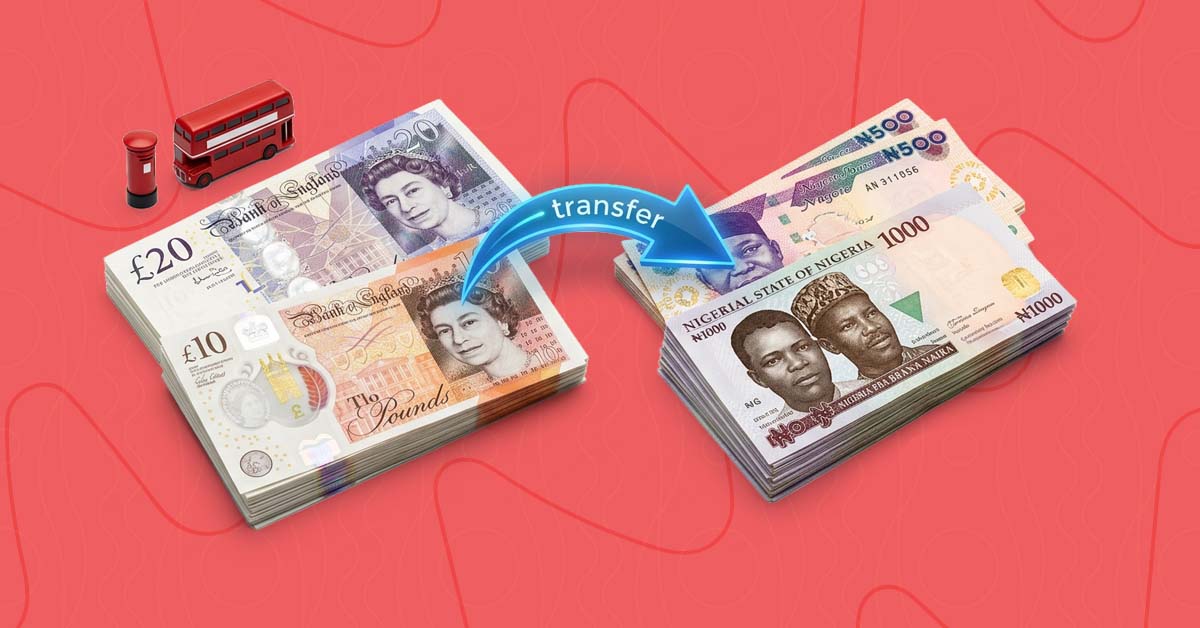
Every “cheapest way to send money from UK to Nigeria” article you’ll find names a single winner – Wise, or Lemfi, or WorldRemit – and treats that answer as fixed. It isn’t. GBP-NGN remittance apps reprice daily, run competing promotions against each other, and structure their margins differently enough that the “cheapest” platform for £200 is often not the cheapest for £2,000. The real answer isn’t a brand name. It’s a comparison habit – and understanding exactly where each platform hides its real cost, because the fee they show you is rarely the full story.
Why the “Cheapest App” Question Has No Fixed Answer
Every remittance comparison site that names a single permanent winner for the UK-to-Nigeria corridor is giving you an answer that expires within weeks, sometimes days. GBP-NGN transfer apps reprice their exchange rates daily against the naira’s movement, and they run rotating promotional periods — fee waivers, rate boosts, first-transfer bonuses – specifically to win share from each other on a corridor with genuinely thin margins and genuinely high switching willingness among senders.
This is why the actual answer to “what’s the cheapest way to send money to Nigeria” isn’t a name. It’s a discipline: keep two or three apps installed, enter the same amount in pounds across each one before sending, and use whichever shows the most naira that day. Senders who do this consistently outperform senders who develop brand loyalty to a single platform – not because loyalty is irrational, but because the platforms are designed to compete on exactly this margin, and comparing costs nothing beyond thirty seconds of checking.
What follows is not a ranking. It’s an explanation of how each major platform actually prices its transfers – because understanding the mechanism each one uses is what lets you compare correctly, rather than comparing a fee against a margin as if they were the same thing.
The Two Pricing Architectures Hiding Inside “Zero Fee” Claims
Every GBP-NGN remittance platform makes its money one of two ways, and conflating them is the single most common mistake senders make when comparing options.
Fee-based pricing – the model Wise uses – charges a visible, itemized fee (typically a small percentage plus a fixed charge that varies by currency) and then applies the real mid-market exchange rate with no additional markup. What you see is close to what you get, and the fee is disclosed before you confirm.
Margin-based pricing – the model Sendwave, and to varying degrees WorldRemit and Lemfi, use – advertises “zero fees” or “no transfer fee,” which is true in a narrow sense, but the platform’s actual margin is built directly into the exchange rate it offers you instead of the mid-market rate. A “zero fee” transfer isn’t free; the cost has just moved from a line item you can see into a rate you’d need to independently check against the real mid-market rate to notice.
Neither architecture is inherently worse. Sendwave’s margin-based model is frequently the better deal on smaller, urgent transfers specifically because it has no fixed fee dragging down small amounts. Wise’s fee-based model tends to win on larger transfers, where its clean mid-market rate compounds into a bigger naira advantage than a competitor’s embedded margin would produce at that same size. The mistake is comparing a platform’s fee against a competitor’s fee without checking what each one’s actual exchange rate is doing underneath – because that’s where the real cost difference usually lives.
Table: How the Major UK-to-Nigeria Platforms Actually Price Transfers
| Platform | Fee Structure | Exchange Rate | Typical Delivery Speed | Best Fit |
|---|---|---|---|---|
| Wise | Small % + fixed fee, disclosed upfront | Real mid-market rate, no markup | Minutes to hours | Larger transfers where rate transparency compounds savings |
| Lemfi | Zero fee on most transfers | Rate close to CBN official rate | Near-instant | Regular transfers to a Nigerian bank account |
| Sendwave | No flat fee | Margin built into exchange rate | Seconds to minutes | Smaller, urgent transfers; delivers direct to OPay/PalmPay wallets |
| WorldRemit | Often zero fee on bank deposit | Competitive, FCA-regulated | ~90% within minutes; bank deposit ~1 hour | Cash pickup or wallet delivery flexibility |
| Remitly | Two tiers: Economy (free, slower) / Express (fee, faster) | Varies by tier | Economy: hours–days; Express: minutes | Choosing between cost and urgency on the same platform |
| Traditional bank wire | High flat fee + wide rate markup | Significantly below mid-market | 1–5 business days | Rarely the better option on this corridor |
Rates and fees change daily and vary by transfer amount. Compare live figures on each provider’s app immediately before sending – the table above reflects general pricing architecture, not fixed current rates.
The Gap Between a Fintech App and a Bank Wire Is Larger Than Most Senders Assume
The most consistent finding across independent GBP-NGN comparisons is not which app wins – it’s how badly traditional bank wire transfers lose. A same-amount transfer sent via a dedicated remittance app versus a UK high-street bank’s international wire service routinely produces a 10–20% difference in total naira delivered, once the bank’s flat fee and – more significantly – its exchange rate markup are both counted.
Also read: UBA Africash Review: Is It Still the Best for Diaspora Nigerians?
On a $500-equivalent transfer, that gap has been measured at roughly ₦70,000 between a competitive app and a traditional bank wire at the same moment – not because the bank is acting in bad faith, but because retail banking’s international transfer infrastructure was never built to compete on remittance-corridor margins the way purpose-built fintech apps are. If you are currently sending to Nigeria through your UK bank’s international transfer service by default – because it’s the option already inside your existing banking app – that default is very likely the single most expensive channel available to you on this corridor.
Why Your Money Might Already Be Landing in an OPay or PalmPay Wallet
Several UK-to-Nigeria platforms – Sendwave prominently among them – deliver funds directly into Nigerian mobile wallets, including OPay and PalmPay, in addition to standard bank accounts. This surprises some senders who assume OPay is something they’d need to interact with directly from the UK. It isn’t, and understanding the distinction matters for how you think about delivery speed and recipient convenience.
OPay operates in Nigeria as a CBN-licensed microfinance bank requiring Nigerian identity verification (NIN, BVN) to open an account – it is not a UK-facing app you download and fund from a British bank card. But if your recipient already holds an OPay or PalmPay wallet in Nigeria, several UK remittance apps can deposit directly into that existing wallet, often faster than a traditional bank account credit, because wallet-to-wallet settlement within Nigeria’s fintech infrastructure frequently clears faster than inter-bank NIBSS transfers. The practical upside: if your recipient already uses OPay for daily transactions, routing your transfer to land directly in that wallet – rather than a separate bank account they’d then have to move it from – can save your recipient a second transaction and a second delay.
What “Cheapest” Actually Costs on the Nigerian Regulatory Side
Nigeria’s Central Bank regulates who is legally permitted to move money into the country as a remittance operator through its International Money Transfer Operator (IMTO) licensing framework. Every legitimate platform discussed here – Wise, Lemfi, Sendwave, WorldRemit, Remitly – operates either as a licensed IMTO or through a licensed IMTO partner on the Nigerian receiving side, which is the regulatory detail that separates a legitimate, CBN-compliant transfer from one that could face processing delays or, in the case of genuinely unlicensed operators, real fund-safety risk.
This matters practically for one specific comparison trap: a platform offering a dramatically better rate than every competitor on a given day is not automatically the best choice if you cannot independently verify its Nigerian settlement is running through a properly licensed channel. The CBN publishes and periodically updates its list of licensed IMTOs – worth a direct check if you’re considering a newer or less familiar platform purely because its advertised rate looked unusually generous.
Take Away
There is no permanently cheapest way to send money from the UK to Nigeria, and any article claiming otherwise is describing a snapshot, not a rule. What actually saves money over a year isn’t picking the right app once – it’s understanding that Wise’s transparency and Sendwave’s embedded-margin model are answering different questions, checking both against the live mid-market rate before every transfer above a trivial amount, and treating your bank’s default international wire option as the channel of last resort rather than convenience. The senders who consistently get the most naira into their family’s account aren’t loyal to a brand. They’re loyal to checking.
Also read: Best Diaspora Bank Accounts for Nigerians Abroad in 2026


Augustine Tom is the founder and publisher of Brands.Ng, an African business intelligence and digital economy platform covering fintech, ecommerce, logistics, startups, digital platforms, and consumer trust across Africa. He writes about branding, business growth, digital strategy, innovation, and emerging market trends, drawing from experience in business development, consulting, SEO, and digital marketing across diverse industries. His work focuses on analyzing the technologies, systems, and companies shaping Africa’s evolving digital economy.