
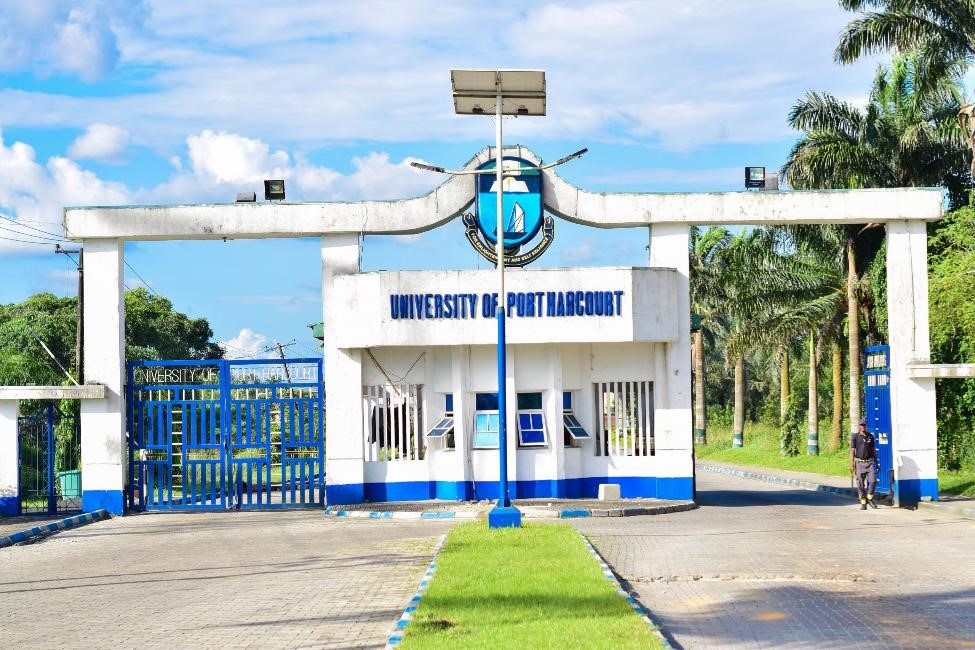






The University of Port Harcourt is one of Nigeria’s important public universities, established in 1975 and located in Port Harcourt, Rivers State, at the center of the country’s oil-producing South-South region. From the start, its identity was closely tied to the economic realities of the Niger Delta, especially the need to develop skilled professionals who could support and manage the fast-growing petroleum economy.
Its founding purpose was not just to expand access to higher education, but to supply the technical and professional talent needed by a region that was becoming central to Nigeria’s national revenue. That meant training engineers, geoscientists, environmental scientists, economists, and other specialists whose work would shape the management of oil, gas, and the wider extractive economy. In that sense, UNIPORT was built with a strong practical purpose: to produce graduates who could participate meaningfully in the industries transforming their region.
Over the years, the university’s engineering and science faculties have become especially well known for their relevance to the oil and gas sector. Their programs have maintained close ties with industry, helping create a steady pipeline of graduates into major companies such as Shell, TotalEnergies, Chevron, and NNPC. This industry connection has become one of UNIPORT’s defining strengths and has given the university a reputation that extends well beyond its overall size.
The university’s influence is also visible in the professional footprint of its alumni. Many UNIPORT graduates occupy technical and managerial roles across Nigeria’s energy sector, especially in organizations where petroleum engineering, geoscience, and environmental expertise are essential. That presence has helped establish the university as a serious talent base for Nigeria’s most strategic industry.
UNIPORT’s academic identity therefore reflects both geography and purpose. It is a regional university with national significance, serving a part of the country that plays a major role in Nigeria’s economy while also producing graduates who work in some of the country’s most critical sectors. Its strength lies not only in academic breadth, but in the way its programs align with the real economic needs of its environment.
Overall, the University of Port Harcourt stands as a public university shaped by the oil economy and sustained by its capacity to train professionals for one of Nigeria’s most important industries. Its legacy is rooted in relevance, industry connection, and the strategic role it plays in the South-South region’s human capital development.
Stay ahead of the businesses shaping Nigeria.
Get important company developments, analysis, research and business intelligence from Brands.Ng directly on WhatsApp.