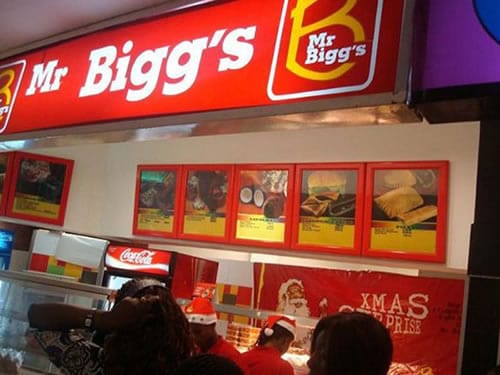
In the late 1990s, if you were a Nigerian child and did not have your birthday party at Mr Bigg’s, you might as well not exist. The air-conditioned restaurant with its red-and-yellow branding, Supa Strikas comics and Double Delight cakes was the apex of coolness for an entire generation. Today, that same brand operates fewer than 60 outlets, has reported seven consecutive annual losses and watches agile competitors like Chicken Republic dominate the quick-service restaurant landscape it once defined.
What happened to Mr Bigg’s?
The answer is not a simple tale of corporate failure. The brand still exists. It still sells meat pies and jollof rice. It still posts on social media. But the Mr Bigg’s that once blanketed Nigeria with over 170 outlets across 40 cities has undergone a dramatic strategic contraction, shrinking to a fraction of its former footprint while competitors multiplied.
This investigation traces 50 years of Mr Bigg’s history, from its origins in the coffee shops of Kingsway Department Stores to its current status as a right-sized, asset-light operation under a UAC-Famous Brands joint venture. Along the way, we uncover what the brand got right, what it got wrong, and what the broader Nigerian fast-food industry can learn from its rise and partial fall.
Before the Brand: Kingsway and the Birth of Nigerian Retail
To understand Mr Bigg’s, you must first understand Kingsway.
The United African Company of Nigeria (UAC) established Kingsway Department Stores in the 1950s, creating what some have called the “Walmart of Nigeria” for its era. Kingsway operated approximately 13 modern department stores and supermarkets across major Nigerian cities, employing around 1,000 people at its height. The prestigious retailer catered to Nigeria’s growing middle class and expatriate community, offering imported goods that were difficult to source elsewhere.
Inside these department stores, UAC operated in-house snack bars and coffee shops. These were not mere refreshment counters. They were early experiments in organised food service, serving coffee, sandwiches and light meals to shoppers in a clean, modern environment.
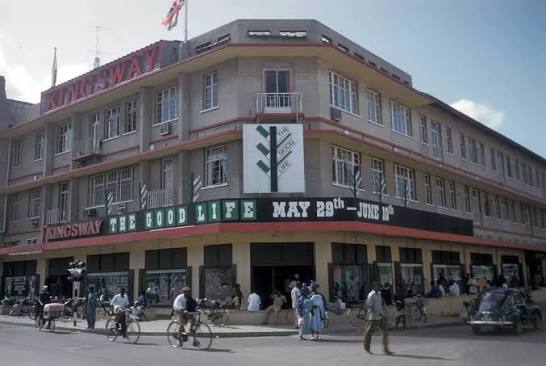
In 1973, UAC rebranded these coffee shops as Kingsway Rendezvous, expanding their offerings to include pastries, sandwiches and some traditional Nigerian dishes like jollof rice. This marked the true beginning of what would become Nigeria’s first quick-service restaurant chain, though it would take another 13 years before the Mr Bigg’s name appeared.
The economic context matters. The 1970s were Nigeria’s oil boom years. Urbanisation accelerated. A middle class emerged with disposable income and a taste for modern consumer experiences. Kingsway Rendezvous tapped into this demand, offering a glimpse of the organised food service models common in Europe and North America.
But the good times would not last.
The Economic Shock: How SAP Killed Kingsway and Midwifed Mr Bigg’s
By the early 1980s, Nigeria’s economy was in freefall. Oil prices crashed. Foreign exchange reserves evaporated. The naira came under severe pressure. Between 1981 and 1984, the economy contracted sharply: 13 percent in 1981, 6.82 percent in 1982, 10.9 percent in 1983 and 1.1 percent in 1984, according to World Bank data.
The purchasing power of Nigerian consumers collapsed. Kingsway, which depended heavily on imported merchandise, found its supply chains disrupted by import restrictions. Shelves went empty. Sales plummeted.
Then came the Structural Adjustment Programme (SAP), introduced by the Babangida administration in July 1986. SAP brought currency devaluation, trade liberalisation and the removal of subsidies. For retailers dependent on imports, it was catastrophic.
Kingsway Department Stores could not survive. By the end of the 1980s, most locations had closed. UAC abandoned the department store business entirely, eventually metamorphosing into what is now known as UAC Foods.
But one part of Kingsway lived on.
UAC recognised that the food service component of its retail business had potential independent of the department stores. The Kingsway Rendezvous coffee shops had built a loyal customer base. The quick-service restaurant concept was still novel in Nigeria. And the expatriate community, though diminished, remained a viable target market for Western-style fast food.
So UAC made a strategic decision. It would retain and expand the food service business, but under a new name, with a new brand identity and on a larger scale.
On August 12, 1986, the first Mr Bigg’s restaurant opened at 51 Marina Street, Lagos Island.
The Birth of Mr Bigg’s: Nigeria’s First Modern Fast-Food Chain
The launch of Mr Bigg’s was not an accident. UAC conducted extensive market research before committing to the concept. The company identified the working-class demographic of Lagos Island as its primary target market: consumers with sufficient purchasing power and a demand for quick, quality meals.
Peter Tilbey, a Briton, was placed at the helm of the Mr Bigg’s establishment. His expatriate connections helped drive early sales, as the brand’s Western-style fast-food model resonated with Nigeria’s foreign community. The restaurant offered hot meals, pastries, sandwiches and soft drinks in a clean, air-conditioned environment with computerised ordering systems.
For Nigerians in the late 1980s, this was revolutionary. Eating in an air-conditioned restaurant was a big deal. Computerised service was a spectacle, especially in less developed cities. Mr Bigg’s represented sophistication, modernity and a break from the “mama-put” roadside food vendors that dominated Lagos Island at the time.
The brand’s name itself was carefully chosen. “Mr Bigg’s” evoked the familiarity of a person (Mr) combined with the promise of generous portions (Bigg). The red-and-yellow colour scheme was styled after McDonald’s, signalling to customers that this was a serious, international-standard fast-food operation.
Early success was immediate. The Marina location drew crowds. UAC opened additional branches across Lagos. Then came expansion to other major cities: Ibadan, Port Harcourt, Kano, Kaduna, Enugu, Benin City. UAC’s existing nationwide infrastructure from its merchandising and logistics divisions facilitated rapid rollout.
By the early 1990s, Mr Bigg’s was no longer just a Lagos phenomenon. It was Nigeria’s first national quick-service restaurant chain.
The Expansion Years: How Mr Bigg’s Conquered Nigeria
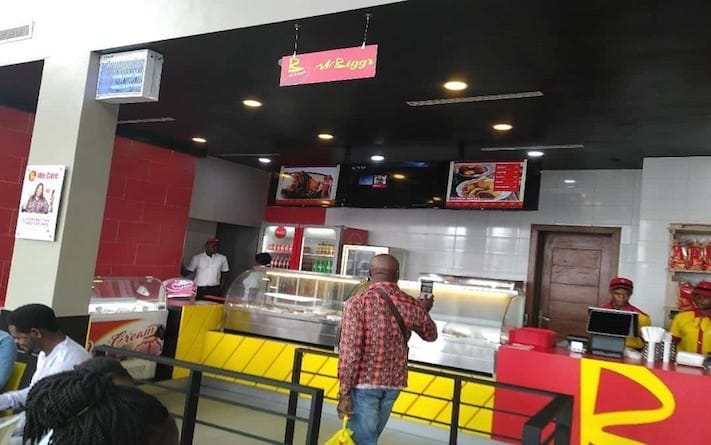
The 1990s and early 2000s were Mr Bigg’s golden age. The brand expanded aggressively, opening outlets in virtually every major Nigerian city and many smaller towns. By the mid-2000s (around 2006), Mr Bigg’s operated approximately 170 to 182 outlets across more than 40 cities in Nigeria, plus four to five locations in Ghana.
This was not just expansion. It was dominance. Mr Bigg’s was the Nigerian equivalent of McDonald’s, at least in terms of business model and cultural footprint. For a generation of Nigerians, fast food meant Mr Bigg’s.
Several factors drove this growth.
First-mover advantage. Mr Bigg’s was the first organised QSR chain in Nigeria. By the time competitors emerged, the brand had already established nationwide recognition and customer loyalty.
UAC’s infrastructure. UAC’s existing logistics, real estate and merchandising networks enabled rapid, capital-efficient expansion. The conglomerate could leverage its nationwide presence to secure prime locations and manage supply chains.
Cultural resonance. Mr Bigg’s became embedded in Nigerian consumer culture. It was where middle-class parents took their children on birthdays. It was the ideal date spot in early Nollywood movies. It was the reliable stop on inter-state road trips, offering clean toilets and quality food along highways where such amenities were scarce.
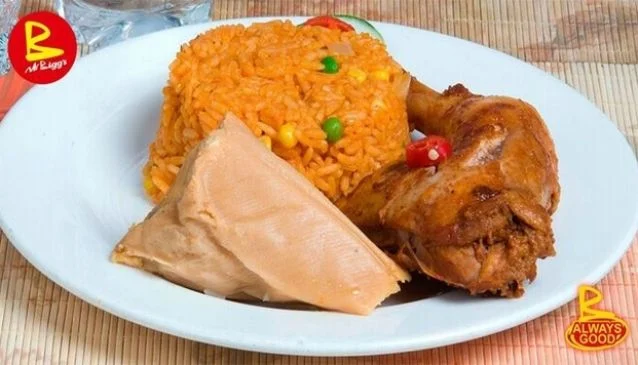
Product strategy. The menu combined Western fast-food staples (burgers, fries, fried chicken) with Nigerian favourites (jollof rice, meat pies, sausage rolls). This hybrid approach appealed to both cosmopolitan and traditional tastes.
The Mobil partnership. In the 2000s, Mr Bigg’s forged a strategic alliance with Mobil filling stations. Wherever there was a Mobil station, there was likely a Mr Bigg’s. This co-location strategy gave the brand unparalleled visibility and convenience, capturing both fuel customers and food customers in a single stop.
Franchising model. In 2002-2003, Mr Bigg’s became one of the first Nigerian companies to adopt franchising. Oby Igodan, who had risen from Management Trainee (1986) to General Manager of Franchising, was sent to Aberdeen, Scotland to study McDonald’s and Burger King operations. She returned with a model: approximately 10 percent of branches would be franchised, 90 percent company-owned. Franchise fees ranged from ₦20-30 million in less urban Lagos areas to ₦50 million in premium locations like Marina and Victoria Island.
The franchising model accelerated expansion while reducing UAC’s capital burden. Investors flocked to the brand, eager to associate with Nigeria’s most prestigious QSR name. At its peak, owning a Mr Bigg’s franchise was a mark of business success.
Why Customers Loved It: The Cultural Dimensions of Mr Bigg’s
To understand Mr Bigg’s decline, you must first understand why Nigerians loved it so deeply.
This was not just a restaurant. It was a cultural institution.
Birthday parties. For millennials who grew up in the 1990s and early 2000s, a Mr Bigg’s birthday party was the social event of the year. The brand offered dedicated party packages with play areas, birthday cakes (the legendary Double Delight and Triple Delight in Vanilla, Chocolate and Strawberry flavours) and Supa Strikas comics distributed with meals. As one millennial entrepreneur recalled: “If you didn’t have one of those parties at Mr Bigg’s, you weren’t cool. And if you didn’t get invited, you might as well not exist.”
Supa Strikas sponsorship. Mr Bigg’s sponsored the Nigerian distribution of Supa Strikas, a popular football-themed comic series featuring young Shegs Okoro. Children could buy the comics at Mr Bigg’s outlets or receive them free with certain meals. This created a powerful emotional connection between the brand and an entire generation of young Nigerians.
Family-friendly positioning. Mr Bigg’s was explicitly designed as a family destination. Many locations housed play areas where children could keep busy while parents waited in line. The brand held “family days” and cultivated an image of wholesome, middle-class Nigerian family life.
Reliability on road trips. For Nigerians travelling between cities, Mr Bigg’s was the one restaurant you could count on finding along major highways. Whether you needed a proper toilet, a quick meal or simply a safe, clean place to rest, Mr Bigg’s was there. One lawyer recalled a 2011 trip where her Benin Republic-bound bus stopped at a lonely Mr Bigg’s branch in Egbeda, Lagos: “Every time someone says ‘Mr Bigg’s’ to me, I remember that trip and how they were just there by the road, and we were able to buy food and use the convenience.”
Air-conditioned comfort. In a country where reliable electricity and climate control are not guaranteed, Mr Bigg’s outlets offered a rare luxury: cool, clean, predictable environments. For many Nigerians, stepping into a Mr Bigg’s was a small escape from the heat and chaos of everyday life.
Social status. Dining at Mr Bigg’s signalled middle-class aspiration. It was where you took a date. It was where you celebrated promotions. It was where you demonstrated that you had “arrived.”
This cultural embeddedness made Mr Bigg’s more than a business. It was a shared memory, a touchstone for an entire generation.
Which is why its decline feels so personal to so many Nigerians.
The Competition Changes: How the Fast-Food Landscape Transformed
If Mr Bigg’s was so beloved, so dominant, so culturally entrenched, what changed?
The answer begins with competition.
For most of the 1990s and early 2000s, Mr Bigg’s operated in a relatively uncontested market. Tantalizers emerged in 1997, founded by Mr and Mrs Ayeni in Lagos. Sweet Sensation, Tastee Fried Chicken and other local brands appeared in the late 1990s and early 2000s. But none matched Mr Bigg’s scale, brand recognition or nationwide footprint.
Then came Chicken Republic.
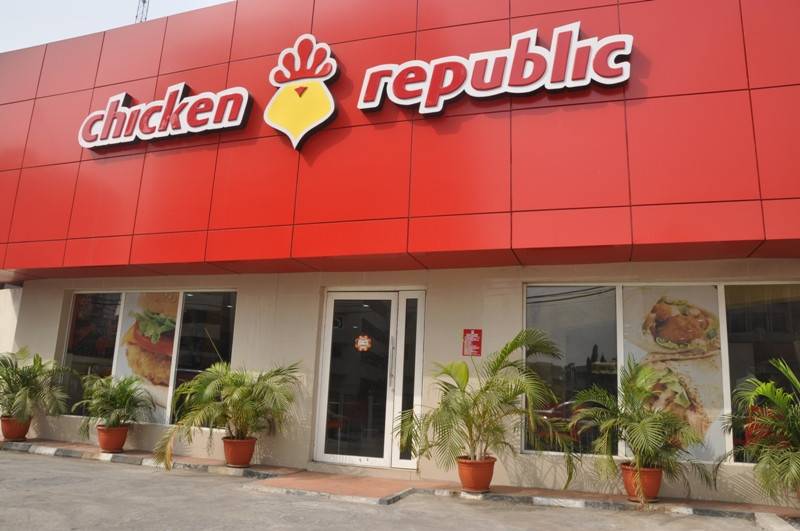
Founded in 2004 by Deji Akinyanju, a Nigerian entrepreneur who returned from 16 years in the UK (including time at Accenture in London), Chicken Republic opened its first outlet in Apapa, Lagos. Akinyanju initially operated as a Chicken Licken franchisee before breaking away to build his own brand. By 2008, Food Concepts Plc (Chicken Republic’s parent company) had raised $30 million to fuel expansion.[
Chicken Republic brought a different playbook. Aggressive pricing (the famous ₦500 “Refuel Meal” combo of jollof/fried rice and chicken, launched in 2016). Modern branding. Digital marketing. Supply chain vertical integration (Akinyanju built Ganic Foods, a poultry farm 200km from Lagos, to address Nigeria’s poultry supply constraints). And relentless expansion: by 2026, Chicken Republic operated 190+ outlets across Nigeria and Ghana, with some reports suggesting closer to 300.
Chicken Republic was not alone.
Tantalizers, founded in 1997, expanded to over 20 outlets nationwide in the early 2000s before fading in the mid-2010s. (Ironically, Tantalizers returned to profitability in the first nine months of 2025, its first profit in three years, while Mr Bigg’s posted wider losses. )
Sweet Sensation, founded by Kehinde Kamson (who drew inspiration from Mr Bigg’s itself), built dozens of outlets with a focus on pastries and local dishes.
Domino’s Pizza entered Nigeria in 2012 through Eat’N’Go Limited, bringing international brand power, digital ordering and delivery infrastructure.
KFC, Burger King, Cold Stone Creamery and other global chains arrived in the 2010s, reshaping consumer expectations around quality, service and brand experience.
The competitive environment had transformed. Where Mr Bigg’s once stood alone, a diverse cast of competitors now battled for customers. And many of these competitors were more agile, more modern and better attuned to the demands of Gen Z and millennial consumers.
The Problems Begin: Franchising, Quality Control and Industry Headwinds
Competition was only part of the story.
Mr Bigg’s faced internal challenges that compounded external pressures.
Franchising complications. When Mr Bigg’s introduced franchising in 2002-2003, the initial model called for approximately 10 percent franchised outlets and 90 percent company-owned. Over time, this ratio shifted, with a greater proportion of outlets operated by franchisees. While this accelerated expansion, it also introduced quality control challenges. Franchisees began operating with varying standards, cutting corners to save costs, sourcing ingredients independently after UAC loosened supply chain requirements. The unified Mr Bigg’s experience that customers expected began to fragment.
Franchisee exits. Operating a QSR in Nigeria is brutally difficult. Unreliable power supply. Exorbitant electricity bills. Supply chain disruptions. Local government levies. Signboard and radio licensing fees. Worker theft. Many franchisees backed out, unable to sustain profitability amid these operational headwinds.
Industry-wide crisis. Mr Bigg’s troubles were not unique. Between 2015 and 2018, over 700 of approximately 900 indigenous QSR outlets shut down across Nigeria. This was an industry-wide contraction, driven by macroeconomic pressures (recession, currency devaluation, inflation), rising operational costs and intensifying competition. Mr Bigg’s was the most visible casualty, but it was far from the only one.
Management and strategy questions. Industry commentators have attributed part of Mr Bigg’s difficulties to changing consumer expectations and the brand’s slower adaptation to digital ordering, delivery infrastructure and value-meal pricing. However, available public evidence does not establish a single cause for the decline. What is clear is that competitors like Chicken Republic invested more aggressively in technology, supply chain and marketing, while Mr Bigg’s appeared to coast on its legacy brand equity.
Economic environment. Nigeria’s macroeconomic conditions deteriorated significantly in the 2010s and 2020s. Currency devaluation increased import costs. Inflation eroded consumer purchasing power. Fuel subsidy removal in 2023 sent prices soaring. A cost-of-living crisis crimped discretionary spending on dining out. These headwinds affected all QSR operators, but legacy brands with higher cost structures and older operating models felt the pressure most acutely.
The Turning Point: Famous Brands, Losses and Strategic Contraction
In September 2013, UAC announced a strategic partnership that would reshape Mr Bigg’s future.
Famous Brands Limited, the South African quick-service restaurant franchisor (operator of Steers, Wimpy, Debonairs Pizza, Fishaways and other brands), acquired a 49 percent stake in UAC Restaurants Limited (UACR), the subsidiary operating Mr Bigg’s. UAC retained 51 percent.
The deal was ambitious. Famous Brands saw Nigeria as a high-potential market with low organised food service consumption per capita. Mr Bigg’s offered an established brand, nationwide distribution, local expertise and existing franchisees. Famous Brands brought continental scale, operational expertise and access to its brand portfolio (including Debonairs Pizza, which would be operated alongside Mr Bigg’s under UACR).
Kevin Hedderwick, Famous Brands’ CEO at the time, noted that Mr Bigg’s had “an extensive on-the-ground presence and huge loyal customer base, demonstrated by the 100,000 consumers who visit the brand’s restaurants daily.”
But the partnership did not reverse Mr Bigg’s fortunes.
Losses began accumulating. UAC Restaurants reported its first annual loss in 2015. By 2019, the loss streak had become entrenched. The segment has now reported seven consecutive annual losses (2019-2025).
Outlet closures accelerated. Within the past few years, Mr Bigg’s has shut down outlets in areas like Ojota, Ogudu, Sobo (Akowanjo-Egbeda road) and other locations. By 2024, the number of operating outlets had declined to approximately 18 to 60, depending on counting methodology (some sources count only Mr Bigg’s, others include Debonairs Pizza; some count company-owned, others include franchised).
Strategic restructuring. In 2024, UACR exited its central kitchen (bakery and manufacturing) operations in favour of an outsourced arrangement. The company also exited its head office premises, securing a more affordable sublease. These moves signal a shift from vertical integration to an asset-light, outsourced model.
2019 rebrand. In September 2019, Mr Bigg’s unveiled a rebrand: new logo, refreshed menu, Express kiosks to compete with rivals’ grab-and-go formats. The effort was aimed at recapturing market share and modernising the brand’s image. But the rebrand did not halt the loss streak.
Recent financial performance. For the year ended December 31, 2025, UACR recorded revenue of ₦2.6 billion (up 2.2 percent from 2024’s ₦2.5 billion), supported by the launch of Creamy Cove ice cream in September 2025. But the segment recorded an operating loss of ₦1.1 billion (compared to ₦882 million in 2024) and a net loss of ₦1.8 billion (up 38.8 percent from 2024’s ₦1.3 billion). In Q1 2026, revenue declined 6 percent year-on-year to ₦576 million, though the loss was trimmed amid store closures.
The picture is clear: Mr Bigg’s is not dead. But it is a much smaller, less profitable business than it once was.
What Happened to the Business? Ownership, Leadership and Current Status
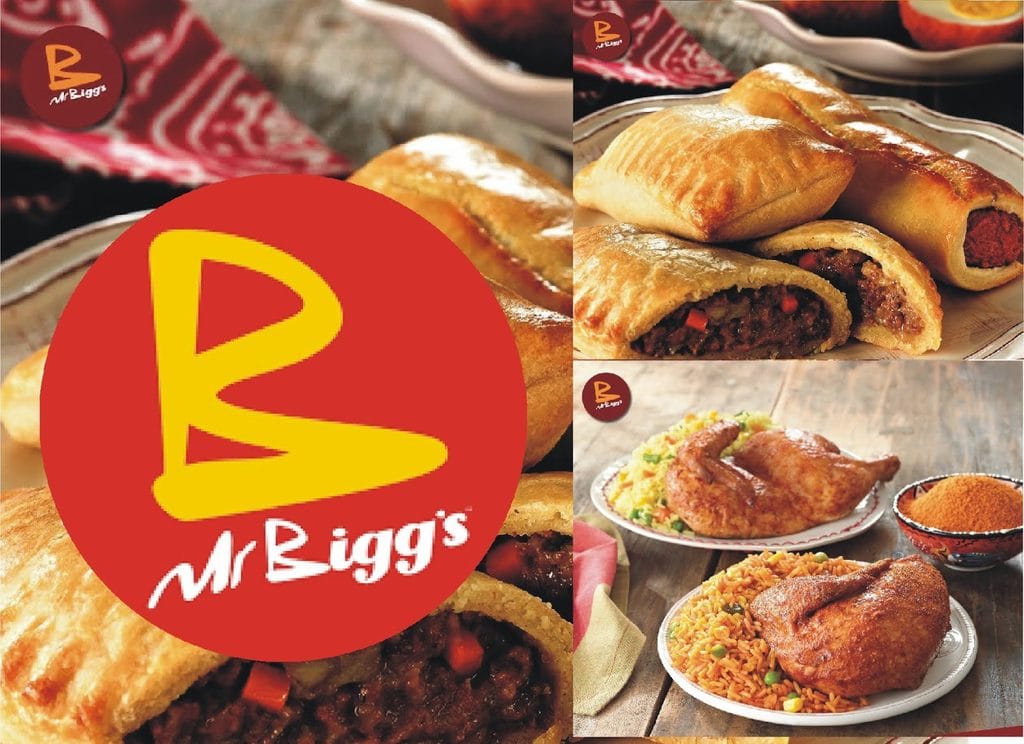
As of 2026, Mr Bigg’s remains operational under the UAC-Famous Brands joint venture structure established in 2013.
Ownership: UAC of Nigeria Plc holds 51 percent of UAC Restaurants Limited; Famous Brands holds 49 percent.
Brands operated: Mr Bigg’s and Debonairs Pizza.
Outlet count: Approximately 18 to 60 locations (figures vary by source and counting method; Famous Brands reported 60 restaurants for UACR in 2023, down from 81 in 2019; UAC’s FY2024 presentation referenced 18 restaurants).
Headquarters: UAC Restaurants lists its address as 139 Ogudu Road, Ogudu, Lagos.
Contact: 0700 0711 711; WhatsApp ordering available.
Social media: Active presence on X (Twitter) as @mrbiggsng, posting promotional content as recently as 2025-2026.[x]
Product innovation: Launched Creamy Cove ice cream in September 2025 as part of menu expansion efforts.
Strategic direction: UAC and Famous Brands have characterised recent outlet closures and the exit from central kitchen operations as “right-sizing” measures aimed at improving profitability and sustainability. Famous Brands’ 2024 Integrated Annual Report states: “We decided to stay invested as our partner, UAC, has taken steps to right-size the business by closing unprofitable restaurants, exiting its sub scale supply chain operations.”
In other words, the contraction is intentional. UAC and Famous Brands are pursuing a smaller, more sustainable footprint rather than attempting to restore Mr Bigg’s to its 170-outlet peak.
What Other Sources Get Wrong: Correcting the Popular Narrative
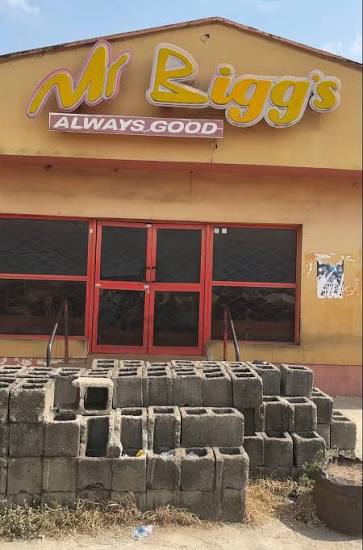
A great deal of what is written about Mr Bigg’s online is incomplete, outdated or simply incorrect.
Claim: “Mr Bigg’s closed” or “Mr Bigg’s is no more.”
Reality: Mr Bigg’s still operates. The brand has contracted significantly, but it has not disappeared. Outlets remain open in Lagos, Abuja and other cities. The company maintains an active website, phone lines and social media presence.
Claim: “Mr Bigg’s had 200 outlets at its peak.”
Reality: Most reliable sources cite approximately 170 to 182 outlets at peak (mid-2000s). The “200” figure appears to be rounded upward or conflated with later periods when Debonairs Pizza outlets were included in UACR’s total count.
Claim: “Mr Bigg’s failed because of poor management.”
Reality: While management decisions certainly affected outcomes, the evidence points to a more complex set of factors: industry-wide QSR contraction (700+ outlets closed 2015-2018), macroeconomic headwinds (inflation, currency devaluation, fuel subsidy removal), franchising complications (quality control, franchisee exits), and intensified competition from agile local and international brands. Attributing the decline solely to “poor management” oversimplifies a multifaceted business challenge.
Claim: “Mr Bigg’s was founded in 1973.”
Reality: This depends on definition. The coffee shops inside Kingsway Department Stores were rebranded as Kingsway Rendezvous in 1973. But the Mr Bigg’s name and brand identity launched on August 12, 1986. Both dates are meaningful: 1973 marks the beginning of UAC’s organised QSR experiment; 1986 marks the birth of the Mr Bigg’s brand as Nigerians know it. The BBC Witness History programme (2023) marked the 50th anniversary of the chain’s launch (counting from 1973), while most business histories cite 1986 as the founding year.
Claim: “Chicken Republic overtook Mr Bigg’s because it was cheaper.”
Reality: Pricing was one factor, but not the only one. Chicken Republic invested heavily in supply chain vertical integration (Ganic Foods poultry farm), digital ordering and delivery infrastructure, modern branding and aggressive marketing. Mr Bigg’s, by contrast, appeared to rely more on legacy brand equity and was slower to adapt to changing consumer preferences around convenience, technology and value meals. The competitive dynamic was more nuanced than price alone.
Claim: “Mr Bigg’s is now owned by Famous Brands.”
Reality: Famous Brands owns 49 percent of UAC Restaurants Limited; UAC retains 51 percent. UAC remains the majority owner.
These corrections matter because they shape how we understand the Mr Bigg’s story. The brand did not simply “fail.” It contracted strategically in response to a transformed competitive and economic landscape. It remains operational, albeit at a smaller scale. And its history is longer and more complex than the simplified “rise and fall” narrative suggests.
The Bigger Business Lesson: What Mr Bigg’s Teaches About Brand Management in Nigeria
The Mr Bigg’s story offers several lessons for brand managers, entrepreneurs and investors in Nigeria and beyond.
First-mover advantage is not permanent. Mr Bigg’s dominated Nigeria’s QSR sector for two decades. But competitors eventually emerged with better capitalisation, more modern operating models and sharper strategic focus. Legacy brands must continuously innovate or risk being overtaken.
Franchising requires rigorous quality control. Mr Bigg’s franchising model accelerated expansion but introduced variability in customer experience. When franchisees source ingredients independently or cut corners, brand equity erodes. Franchisors must balance growth with standardisation.
Vertical integration can be a competitive advantage. Chicken Republic’s investment in Ganic Foods (poultry farm) addressed a critical supply chain constraint and gave the brand cost and quality control advantages. Mr Bigg’s exited its central kitchen operations in 2024, moving to an outsourced model. Both strategies have trade-offs: integration offers control but requires capital; outsourcing reduces fixed costs but increases dependency on suppliers.
Cultural embeddedness is valuable but not sufficient. Mr Bigg’s was deeply loved by Nigerians. But nostalgia alone cannot sustain a business when competitors offer better value, convenience and experience. Brands must evolve with their customers.
Macroeconomic volatility affects all businesses, but preparedness matters. Nigeria’s economic headwinds (currency devaluation, inflation, fuel subsidy removal) affected all QSR operators. But brands with stronger balance sheets, more efficient operations and better access to capital weathered the storm more effectively.
Strategic contraction can be smarter than stubborn expansion. UAC and Famous Brands have characterised recent outlet closures as “right-sizing.” Rather than propping up unprofitable locations, they are focusing on a smaller, more sustainable footprint. This is a mature, disciplined approach, even if it means accepting a smaller market presence.
Partnerships can bring capital and expertise, but do not guarantee turnaround. The Famous Brands partnership (2013) brought South African QSR expertise and continental scale to Mr Bigg’s. But the loss streak continued. Partnerships are tools, not silver bullets.
The Nigerian consumer is discerning and rapidly evolving. Gen Z and millennial Nigerians expect digital ordering, delivery, value meals and modern brand experiences. Brands that fail to meet these expectations lose relevance, regardless of legacy status.
Mr Bigg’s is not a cautionary tale of corporate failure. It is a case study in how legacy brands navigate hypercompetition, economic volatility and shifting consumer behaviour in emerging markets. The brand that once defined Nigerian fast food has not disappeared. It has adapted, contracted and persists, a smaller but still recognisable presence in a crowded, competitive market.
For the millennials who grew up with Supa Strikas comics and Double Delight cakes, this may feel like a loss. But for business students, brand managers and investors, the Mr Bigg’s story offers something more valuable than nostalgia: a masterclass in the complexities of building, sustaining and adapting a brand in one of Africa’s most dynamic and challenging markets.
FAQs
Q1: Is Mr Bigg’s still operating in Nigeria?
Yes. Mr Bigg’s remains operational under UAC Restaurants Limited, a joint venture between UAC of Nigeria (51 percent) and Famous Brands South Africa (49 percent). The brand maintains an active website, phone lines (0700 0711 711), WhatsApp ordering and social media presence (@mrbiggsng on X). However, the number of outlets has contracted significantly from its peak.
Q2: How many Mr Bigg’s outlets are currently open?
Estimates vary by source and counting methodology. Famous Brands reported 60 restaurants for UACR (which includes both Mr Bigg’s and Debonairs Pizza) in 2023, down from 81 in 2019. UAC’s FY2024 presentation referenced 18 restaurants. Other sources suggest approximately 18 to 60 Mr Bigg’s locations remain open as of 2024-2026. The discrepancy likely reflects differences in whether Debonairs Pizza outlets are included and whether franchised versus company-owned stores are counted.
Q3: When was Mr Bigg’s founded?
The answer depends on definition. The coffee shops inside UAC’s Kingsway Department Stores were rebranded as Kingsway Rendezvous in 1973. The Mr Bigg’s name and brand identity launched on August 12, 1986, with the first restaurant opening at 51 Marina Street, Lagos Island. Most business histories cite 1986 as the founding year, though the BBC Witness History programme (2023) marked the 50th anniversary of the chain’s launch (counting from 1973).
Q4: Who owns Mr Bigg’s?
Mr Bigg’s is operated by UAC Restaurants Limited (UACR), a joint venture between UAC of Nigeria Plc (51 percent) and Famous Brands Limited of South Africa (49 percent). Famous Brands acquired its 49 percent stake in September 2013. UAC remains the majority owner.
Q5: Why did Mr Bigg’s decline?
Multiple factors contributed: intensified competition from agile local brands (Chicken Republic, Tantalizers, Sweet Sensation) and international chains (Domino’s, KFC); industry-wide QSR contraction (over 700 indigenous outlets closed 2015-2018); franchising complications (quality control issues, franchisee exits); macroeconomic headwinds (inflation, currency devaluation, fuel subsidy removal); and slower adaptation to changing consumer preferences (digital ordering, delivery, value meals). No single cause explains the decline.
Q6: Is Mr Bigg’s profitable?
No. UAC Restaurants has reported seven consecutive annual losses from 2019 through 2025. For the year ended December 31, 2025, UACR recorded revenue of ₦2.6 billion but a net loss of ₦1.8 billion. In Q1 2026, revenue declined 6 percent year-on-year to ₦576 million, though the loss was trimmed amid store closures.
Q7: What happened to Mr Bigg’s central kitchen?
In 2024, UACR exited its central kitchen (bakery and manufacturing) operations in favour of an outsourced arrangement. This marked a strategic shift from vertical integration to an asset-light, outsourced production model. Famous Brands described this as part of UAC’s “right-sizing” efforts to improve profitability.
Q8: Does Mr Bigg’s still compete with Chicken Republic?
Yes, but from a much smaller base. Chicken Republic operates approximately 190+ outlets across Nigeria and Ghana (some reports suggest closer to 300), making it Nigeria’s largest homegrown QSR chain. Mr Bigg’s operates approximately 18 to 60 outlets, depending on counting methodology. Both brands compete for the same quick-service restaurant customers, but Chicken Republic holds a significantly larger market footprint.
Q9: What is Mr Bigg’s doing to turn around its performance?
Recent initiatives include: outlet closures to eliminate unprofitable locations; exit from central kitchen operations to reduce fixed costs; menu innovation (launch of Creamy Cove ice cream in September 2025); rebranding efforts (2019 logo and menu refresh); and introduction of Express kiosks for grab-and-go service. UAC and Famous Brands have characterised these measures as “right-sizing” aimed at achieving sustainable profitability rather than restoring the brand to its 170-outlet peak.
Q10: Can I still visit a Mr Bigg’s restaurant?
Yes. Mr Bigg’s maintains outlets in Lagos (including locations in Ogudu, Gwarinpa, Jabi, Wuse, Area 8, Area 5, Nyanya, Utako, Gwagwalada, Lugbe and others in Abuja), as well as other cities. The brand’s website (uacrestaurants.com) and social media channels provide location information and ordering options.
Stay ahead of the businesses shaping Nigeria.
Get important company developments, analysis, research and business intelligence from Brands.Ng directly on WhatsApp.