
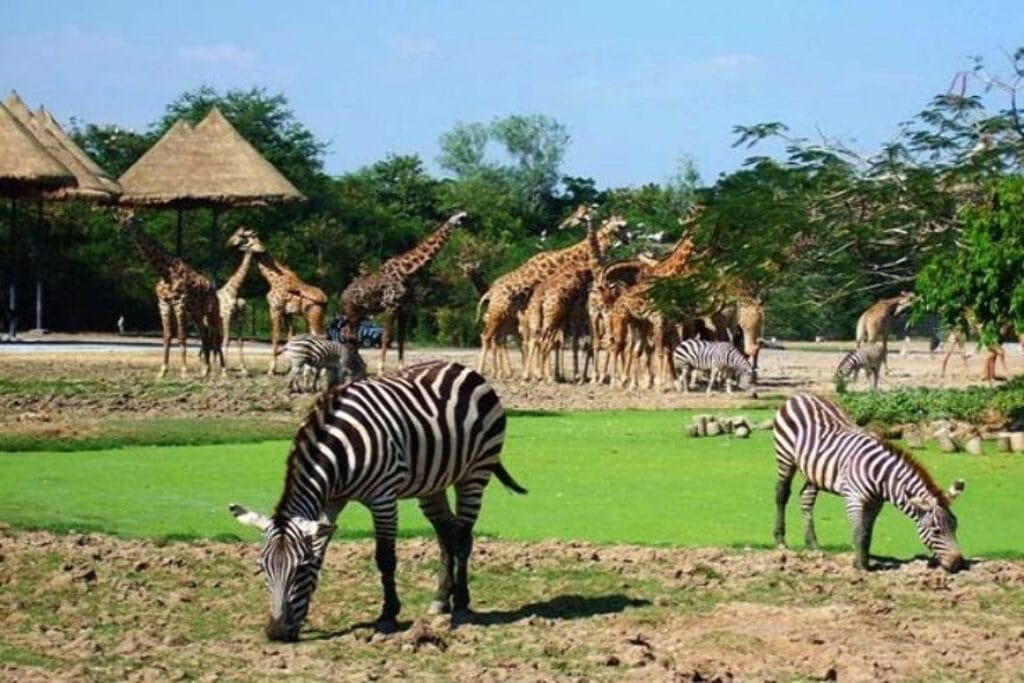
Nigeria has many attractions. Few combine history, wildlife, education, and genuine leisure in a single location the way the University of Ibadan Zoological Garden does.
The UI Zoo is not a recent development or a corporate entertainment project. It was established in 1948 primarily as a menagerie to support teaching and research in the Department of Zoology. With time the animal collection grew in number and diversity and the menagerie gradually became a full-fledged zoo in 1974. That makes it one of the oldest zoos in Nigeria – and one of the few that has consistently operated and expanded across more than seven decades.
Whether you are a first-time visitor planning a family day out, a teacher organising a school excursion, a tourist exploring Ibadan, or a UI student who has never actually walked through the gates, this guide gives you everything you need to know before you arrive – what animals you will see, what you will pay, how to get there, and what makes the UI Zoo worth a dedicated visit in 2026.
What Is the University of Ibadan Zoo?
The University of Ibadan Zoo, like most modern zoos, displays wild animals primarily for the conservation of endangered species, as well as for research purposes and education, and so also for the entertainment of visitors.
It operates as an arm of the University of Ibadan under the Zoology Department – which means it carries the dual mandate of being both a public attraction and a living laboratory. Students of zoology, veterinary medicine, biology, and environmental sciences use the zoo as a research and observation facility. The education department runs structured programmes for school groups. And the general public – families, tourists, and day-trippers from across Oyo State and beyond – visits for recreation and wildlife experience.
The zoo has become a beauty to behold in recent years. The structures have been updated, new enclosures built, over a dozen new animal arrivals – some acquired for the first time in the history of the zoo. Gorgeous lion cubs have become a lovely sight, alongside an attractive eatery, Sips and Bites, and a completely revamped, clean atmosphere for relaxation.
The renovation and upgrade programme that the University of Ibadan has invested in over the past few years has transformed what was a serviceable but aging facility into one of the most pleasant zoo experiences in south-western Nigeria.
University of Ibadan Zoo Animals: What Will You See?
The garden is home to a wide array of animals comprising mammals, birds, reptiles, and amphibians. The collection is organised into distinct sections – each housing a specific category of wildlife.
Mammals
The mammal collection is the most popular section for visitors and the one that generates the most attention on social media and review platforms.
Visitors can discover a wide range of wildlife including majestic lions, playful baboons, and reptiles such as crocodiles and snakes, and vibrant birds like ostriches and peacocks.
The lion enclosure is the most consistently cited highlight in visitor reviews. The gorgeous lion cubs are a lovely sight and represent one of the newer arrivals at the zoo following recent acquisition programmes. Beyond lions, the mammal section houses: Nigeriahousingmarket
- Baboons – among the most active and interactive animals in the zoo, consistently drawing crowds
- Green monkeys – one of the animals the zoo has available for exchange with other institutions, reflecting the strength of their population
- Chimpanzees – primates that draw significant attention for their behavioural similarity to humans
- Giraffes – one of the zoo’s most visually striking residents
- Horses – kept within the zoo grounds
- Grass-cutters (cane rats) – native Nigerian wildlife
- Porcupines – nocturnal but visible during daytime hours
- Terrapin tortoises – slow-moving residents that children particularly enjoy observing
Reptiles
The zoo’s Reptile House is one of the best, providing a serene atmosphere to observe the animals.
The reptile section houses:
- Crocodiles – the most dramatic reptile exhibit in the zoo, kept in a dedicated enclosure
- Pythons and other snakes – housed in the Reptile House with controlled viewing conditions
- Monitor lizards – large and visually impressive
- Tortoises – slow-moving, long-lived residents
For visitors who are cautious about reptiles, the Reptile House is enclosed and well-managed – you can observe from a safe and comfortable distance.
Birds
The bird section of the zoo houses a wide array of exotic species. The birds in this section comprise flightless birds, aquatic birds, granivorous birds, carnivorous birds, and birds of prey.
Examples of birds in the University of Ibadan zoo section include but are not limited to ostriches, eagles, peacocks, pelicans, crown cranes, owls, vultures, different species of parrots, and ducks.
The bird section is one of the most diverse in the zoo by species count and one of the most visually engaging – ostriches and peacocks are particularly popular with children and families.
Amphibians
The amphibian section is smaller than the mammal, reptile, and bird sections but rounds out the zoo’s commitment to representing the full range of Nigerian and African wildlife.
University of Ibadan Zoo Visiting Hours
The zoo is open every day from 8:00am to 6:00pm. The zoo is open 7 days a week, 365 days a year from 8:00 to 18:30 daily.
There is no closed day – the UI Zoo operates through weekends, public holidays, and Nigerian national celebrations. This makes it one of the most reliably accessible tourist attractions in Ibadan.
Best time to visit:
The best time to visit is during the weekdays as these times are less crowded, making them ideal for a more relaxed experience.
Weekends – particularly Saturday afternoons – are the busiest periods, with family groups, school excursions completing late starts, and general leisure visitors all converging. If you want space to move comfortably, to photograph the animals without crowds, and to engage with the education guides without competition from large groups, a weekday morning between 9am and noon is the optimal window.
School excursion season – typically October to November and February to March – brings significant group traffic on weekday mornings. If you are visiting as an individual or small family during these months, arriving at opening time (8am) before school groups arrive gives you the best experience.
Seasonal considerations:
The rainy season in Ibadan (April to October) brings lush green surroundings that make the zoo’s natural setting particularly beautiful – but afternoon visits during peak rainy season (June to September) may be interrupted by heavy rainfall. Morning visits during these months are advisable. The dry season (November to March) offers more predictable weather for full-day visits.
University of Ibadan Zoo Ticket Price 2026
The entry price for UI Zoo is ₦1,500 for adults and ₦1,000 for children.
Full ticket price breakdown:
| Visitor Category | Entry Fee |
|---|---|
| Adults | ₦1,500 |
| Children | ₦1,000 |
| UI students (with valid ID card) | Discounted rate |
| School children on excursion (in uniform) | Discounted rate |
There are discounts for school children on excursions in uniform, and UI students with valid ID cards. The specific discounted rates for these categories should be confirmed at the gate – they are not published on the official website and may be adjusted periodically.
What the entry fee covers:
The gate fee provides access to all sections of the zoo – mammals, reptiles, birds, and amphibians – as well as the picnic areas and general grounds. Guided tours are available additionally.
A tour guide is available to guide visitors through the zoo. If you want a narrated experience with information about each animal, its origin, behaviour, and conservation status, requesting a guided tour at the gate is worthwhile – particularly for school groups and first-time visitors.
Photography:
There is no documented additional photography fee for personal camera use. Commercial photography and filming require prior arrangement with the zoo administration at zoogarden.ui.edu.ng.
University of Ibadan Zoo Location and How to Get There
The UI Zoo is located within the University of Ibadan campus – meaning it is embedded within one of Nigeria’s most beautiful and well-maintained university environments, surrounded by mature trees, colonial-era architecture, and the general atmosphere of Nigeria’s premier institution.
Official address: University of Ibadan Zoological Garden University of Ibadan Campus Ibadan, Oyo State, Nigeria
Website: zoogarden.ui.edu.ng
Getting there by road:
The University of Ibadan campus is located off the Ibadan-Lagos Expressway and is accessible from multiple entry points. The most direct route for visitors coming from outside Ibadan is to take the expressway to the UI main gate on the Agodi-Gate road.
To get there, you can take a bus or shared taxi from major bus stations in Ibadan such as Challenge or Dugbe, heading towards the University of Ibadan. From within Ibadan city, commercial motorcycles (okadas) and tricycles (kekes) travel directly to the UI main gate from most parts of the city.
From Lagos: Take the Lagos-Ibadan Expressway to Ibadan. Exit at the UI interchange toward Agodi. Follow signs to the University of Ibadan main gate. The zoo is signposted within the campus from the main gate.
From Abuja: Take the Abuja-Ibadan road to Ibadan. Enter the city through the Iwo Road junction and proceed toward the University of Ibadan.
Parking: Vehicle parking is available within the UI campus near the zoo entrance. The campus road network is well maintained and navigable by private car.
What Else to Expect at the UI Zoo
Food and Refreshments
An attractive eatery – Sips and Bites – and another spot for food and snacks are available within the zoo premises. The shops at the zoo premises have a wide variety of delicious takeaways and kiosks offer snacks.
The food options within the zoo grounds mean you do not need to leave the premises for a midday meal – making the UI Zoo a genuine full-day destination rather than a two-hour stop.
Picnic Areas
Visitors can relax at picnic spots under shaded trees. The zoo’s grounds include shaded areas suitable for family picnics – bringing your own food and setting up in the designated picnic spots is permitted and commonly done by families visiting for the day.
Children’s Play Area
Children can enjoy the revamped play area with swings and slides. The children’s play zone makes the UI Zoo a complete family destination – parents can watch children play while the younger ones recover from the excitement of the animal sections.
Education Programmes
The UI Zoo Education Department is dedicated to teaching youngsters and adults about wildlife and wild habitats through engaging, interactive zoo programmes. Offerings for adults, families, children, teens, and schools include guided tours, school programmes, and opportunities to meet zoo experts and get an insider’s look at animals and exhibits. All zoo programmes require advance reservation.
Schools planning an excursion should contact the zoo administration in advance to book a structured educational programme rather than arriving as an unscheduled group. The pre-booked school programme includes a guided tour with age-appropriate educational content and dedicated time with zoo staff.
Conservation and Research
Beyond the visitor experience, the UI Zoo functions as an active conservation and research institution. It has animals available for exchange with other institutions – including baboons, chimpanzees, horses, green monkeys, and terrapin tortoises – demonstrating that it operates within the international zoo community’s conservation network rather than as a standalone facility.
This conservation mandate is what gives the UI Zoo its institutional credibility beyond leisure – it is a place where Nigerian biodiversity is actively studied, preserved, and shared with partner institutions.
University of Ibadan Zoo vs Other Nigerian Zoos
The UI Zoo is consistently ranked among the top three zoos in Nigeria alongside the Lagos Zoo (formerly Lekki Conservation Centre) and the Jos Wildlife Park. What distinguishes it from the others is its combination of historical depth, university-backed research mandate, and campus setting.
Visiting the UI Zoo means visiting a zoo that has operated continuously since 1948 – through Nigeria’s colonial period, independence, civil war, military governments, and democratic transitions. The animals have changed; the institution has endured. That continuity gives the UI Zoo a character that newer wildlife parks cannot replicate.
For visitors based in Lagos, the approximately two-hour drive to Ibadan for the UI Zoo is a viable day trip – particularly when combined with other Ibadan attractions including Cocoa House, Bower’s Tower, and Agodi Gardens.
Practical Visitor Checklist
Before you go, confirm these:
| Item | Detail |
|---|---|
| Opening time | 8:00am daily |
| Closing time | 6:00pm – 6:30pm daily |
| Adult entry | ₦1,500 |
| Child entry | ₦1,000 |
| UI student entry | Discounted – bring valid UI ID |
| School excursion | Discounted – children must be in school uniform |
| Guided tour | Available at the gate – ask on arrival |
| School programme booking | Advance reservation required – contact zoogarden.ui.edu.ng |
| Food available | Yes – Sips and Bites eatery and snack kiosks on site |
| Parking | Available within UI campus |
| Photography | Personal photography permitted |
| Best day | Weekday morning for least crowds |
| Best season | November to March for dry weather |
Frequently Asked Questions
What animals are in the University of Ibadan zoo? The University of Ibadan zoo houses mammals including lions, baboons, chimpanzees, giraffes, green monkeys, and tortoises; reptiles including crocodiles, pythons, and monitor lizards; and birds including ostriches, eagles, peacocks, pelicans, crown cranes, owls, vultures, parrots, and ducks. The zoo also has an amphibian section. The collection spans mammals, birds, reptiles, and amphibians and is one of the most diverse in Nigeria.
What are the University of Ibadan zoo visiting hours? The University of Ibadan zoo is open every day of the year from 8:00am to 6:00pm – 6:30pm according to some sources. There are no closed days. The zoo operates through weekends, public holidays, and national celebrations. Weekday mornings are the least crowded and most recommended for a relaxed visit.
How much is the University of Ibadan zoo ticket price? Entry to the University of Ibadan zoo costs ₦1,500 for adults and ₦1,000 for children. Discounted rates apply for UI students with a valid university ID card and for school children on official excursions who arrive in school uniform. Guided tours are available additionally at the gate.
Where is the University of Ibadan zoo located? The University of Ibadan zoo is located within the University of Ibadan campus in Ibadan, Oyo State, Nigeria. Its official address is the University of Ibadan Zoological Garden, University of Ibadan Campus, Ibadan. It is accessible from the UI main gate on the Agodi-Gate road and is signposted within the campus. The official website is zoogarden.ui.edu.ng.
How do I get to the University of Ibadan zoo from Lagos? Take the Lagos-Ibadan Expressway to Ibadan and exit toward Agodi at the UI interchange. Follow signs to the University of Ibadan main gate and proceed to the zoological garden signpost within the campus. The journey takes approximately two hours from Lagos under normal traffic conditions. From within Ibadan, buses and shared taxis from Challenge or Dugbe bus stations travel toward the University of Ibadan.
Can you have a picnic at the University of Ibadan zoo? Yes. The University of Ibadan zoo has designated picnic spots under shaded trees within the zoo grounds. Visitors may bring their own food for picnics. The zoo also has an on-site eatery – Sips and Bites – and snack kiosks for visitors who prefer to purchase food on the premises.
Is the University of Ibadan zoo suitable for children? Yes. The UI zoo is one of the most family-friendly attractions in south-western Nigeria. It has a revamped children’s play area with swings and slides, a diverse animal collection that captures children’s attention across all sections, and an education department that offers structured interactive programmes for school groups. Discounted entry applies for children and uniformed school groups.
Can schools book educational programmes at the UI zoo? Yes. The UI Zoo Education Department offers structured guided tours and school programmes for primary and secondary school groups. All school programmes require advance reservation- contact the zoo administration through zoogarden.ui.edu.ng to book a programme and confirm dates before your excursion.
Sources: University of Ibadan official zoo website – zoogarden.ui.edu.ng; University of Ibadan official website – ui.edu.ng; FlightPadi.com, June 2025; TravelWaka.com; TripAdvisor user reviews – UI Zoo listing.
Stay ahead of the businesses shaping Nigeria.
Get important company developments, analysis, research and business intelligence from Brands.Ng directly on WhatsApp.