Banking is one of the most heavily regulated industries in the world – more regulated than airlines, pharmaceuticals, or energy. This is not bureaucratic overreach; it is essential protection. Banking crises destroy savings, bankrupt businesses, and trigger recessions. The severity of the 1930s Great Depression was amplified by cascading bank failures. Nigeria’s 1990s banking crisis destroyed public confidence and cost billions. Regulation exists to prevent these catastrophes.
This guide explains Nigeria’s banking regulatory framework: which agencies regulate banks, what regulations require, and why those rules matter.
The Central Bank of Nigeria: Nigeria’s Banking Authority
History and mandate
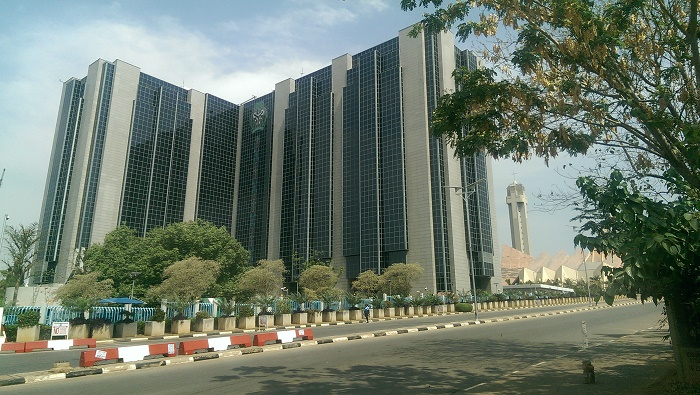
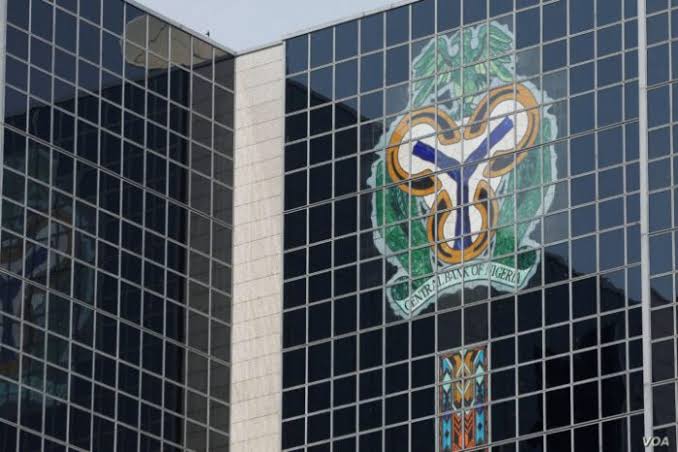
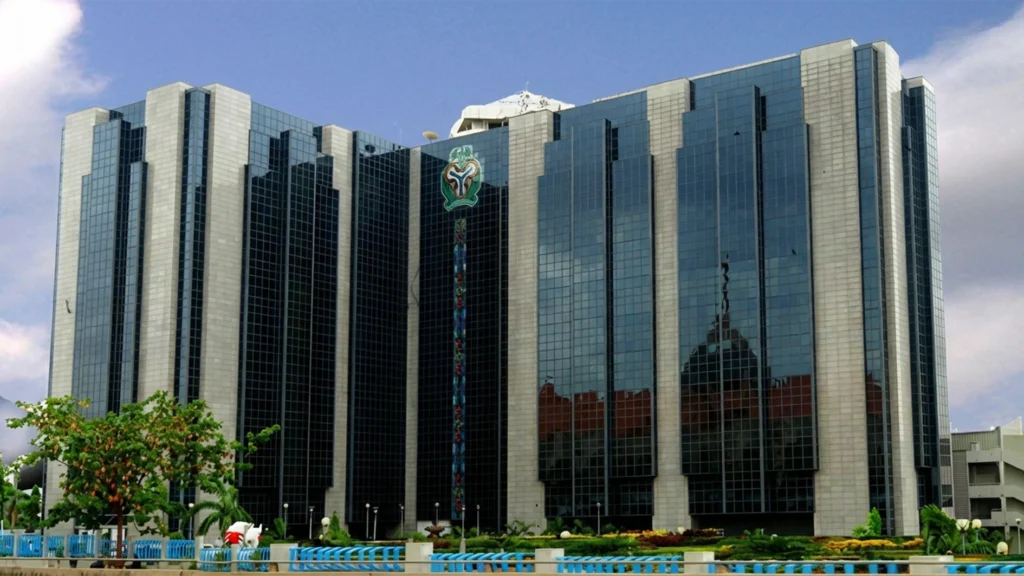
The Central Bank of Nigeria (CBN), established in 1958, is the apex banking regulator and monetary authority. It operates under the Central Bank of Nigeria Act 2007 and subsequent amendments. The CBN’s mandate is broad by design: it sets monetary policy, licenses and supervises banks, operates the national payment system, manages foreign exchange reserves, acts as banker to government, and provides lender-of-last-resort facilities to banks in distress. This concentration of authority enables decisive action during financial crises.
Regulatory powers
The CBN’s regulatory toolkit includes licensing, supervision, enforcement, and monetary policy instruments. It issues commercial bank licenses only to entities that meet strict capital, governance, and management requirements; renewals follow verification of continued compliance, and licenses can be revoked for persistent violations. Supervisory activities include regular on-site examinations, reviews of loan portfolios and risk management practices, and preparation of supervisory reports that identify risks and require remediation. Enforcement powers extend to written directions, financial penalties (reaching into billions of naira for serious breaches), and suspension or revocation of licenses. On the monetary side, the CBN sets the policy interest rate, conducts open market operations to manage liquidity, issues currency, and manages inflation.
Recent enforcement and interventions
Between 2020 and 2023 the CBN imposed penalties totaling more than ₦10 billion across various banks for issues ranging from poor cybersecurity to inadequate anti-money laundering controls. The CBN mandated minimum capital requirements in 2023–2024 – setting ₦10 billion for new banks and raising capital ratios for existing institutions – provoking consolidation among weaker banks. Interest rate interventions from 2022–2024 also materially affected bank profitability as policy rates rose to combat inflation.
The Nigeria Deposit Insurance Corporation: Protecting Depositors
Role and mandate
The Nigeria Deposit Insurance Corporation (NDIC), established in 1988, is a separate agency with a distinct mission: protecting depositors and maintaining public confidence in the banking system. The NDIC operates under the Deposit Insurance and Related Systems Law (DIRSL) 2023 and earlier statutes.
Deposit insurance coverage
NDIC insures deposits in all licensed commercial banks, covering demand, savings, and fixed-term deposits. Coverage is automatic and capped at ₦500,000 per depositor per bank. This limit applies regardless of the number of accounts held at the same bank; however, deposits held at different banks receive separate coverage. For example, a depositor with ₦1 million at a single bank would be reimbursed only ₦500,000 if that bank failed, while holdings split across two banks would receive separate reimbursements up to the coverage limit at each bank.
Additional NDIC functions
The NDIC conducts joint examinations with the CBN, independently assesses bank soundness, and issues examination reports. When a bank becomes insolvent, the NDIC arranges resolution – either sale to another bank or liquidation – and compensates insured depositors from its fund. The institution also publishes research, promotes improved risk management, and runs financial literacy programs. Historical episodes show both the limits and the necessity of deposit insurance: NDIC’s fund was depleted during the 1990s crisis, causing delays and hardship, while the consolidation of 2005–2006 reduced the number of weak banks and strengthened depositor protection.
Capital Requirements: The Foundation of Bank Safety
Purpose of capital requirements
Capital – shareholder equity – absorbs losses and protects depositors. Minimum capital rules ensure banks maintain sufficient cushions to absorb unexpected losses without passing losses to depositors.
Risk-weighted assets and capital ratios
Regulators use risk-weighted assets (RWA) to reflect differing risk profiles across asset types. For example, government securities typically carry a 0% risk weight while commercial and personal loans often carry a 100% weight. Capital adequacy is expressed as capital divided by RWAs. CBN requirements for 2024–2025 set minimum capital amounts and ratios: ₦10 billion minimum for newly licensed banks, a 10% capital-to-RWA minimum, an 8% leverage ratio, a 2.5% capital conservation buffer, and an additional 1–3% buffer for systemically important banks. These rules limit how large banks can grow relative to their capital and force corrective actions – raising capital or shrinking risky assets – if losses erode capital.
Why capital requirements matter
Capital cushions protect depositors and the financial system by absorbing losses. They limit excessive risk-taking and, when managed sensibly, support long-term stability. Regulators also recognize procyclicality: during downturns capital rules can force banks to cut lending, worsening the cycle. To balance stability and credit provision, the CBN may permit temporary deviations during crises and requires macroprudential tools to moderate systemic risk.
Prudential Guidelines: The Detailed Rulebook
Credit risk and exposure limits
Prudential guidelines set limits to concentration risk. Single-borrower exposure is typically capped at 25% of capital, related-borrower exposure at 10% of capital, with sector-specific limits as necessary. Loan classification and provisioning rules require banks to recognize and provision for deteriorating loans on a graded basis – from performing to loss – reducing reported profits and capital until loans are recovered or written off.
Liquidity and asset-liability management
Banks must hold minimum liquid assets – cash, central bank deposits, and government securities – typically 20–30% of deposits, to meet withdrawal needs. Asset-liability matching rules discourage funding long-term loans with short-term deposits, reducing the risk of runs when liquidity strains occur.
Operational risk management
Operational risk rules cover information security, business continuity, and fraud prevention. Banks must implement encryption, multi-factor authentication, regular security audits, geographically separated backups, incident response plans, and internal controls that segregate duties to reduce fraud risk.
Anti-Money Laundering and KYC
AML/KYC framework
Banks serve as gatekeepers against financial crime. They must verify customer identity using government-issued IDs, understand sources of funds, maintain updated records, and monitor transactions for suspicious behavior. Enhanced due diligence applies to politically exposed persons and other high-risk customers.
Reporting and penalties
Banks must report large cash transactions, structured attempts to evade thresholds, and patterns inconsistent with customer profiles to the Financial Intelligence Unit (FIU). Penalties for AML/KYC failures can include civil fines up to ₦100 million, criminal sanctions including imprisonment, and license suspension or revocation.
Data Protection and Cybersecurity
Data protection obligations
The Nigeria Data Protection Regulation (NDPR) governs handling of personal data. Banks must obtain explicit consent for processing, provide customers access and correction rights, allow deletion requests subject to regulatory retention obligations, and implement technical and organizational security measures. Appointment of a Data Protection Officer and regular impact assessments are required.
CBN cybersecurity requirements
Given rising cyber threats, the CBN mandates two-factor authentication, encryption of payment channels, regular patching, firewalls, intrusion detection, and annual third-party cybersecurity assessments. Governance obligations include board oversight, defined cybersecurity roles, incident reporting, staff training, and cyber insurance. Recent incidents – ransomware, phishing, SIM-swap fraud, and ATM malware – have prompted stricter supervisory scrutiny and penalties.
Consumer Protection and Complaints Resolution
Transparency and bank obligations
Banks must disclose fees, interest rates, and full loan terms clearly and maintain complaint-handling procedures. Customers must receive acknowledgment of complaints within three business days, with investigations completed within 10–30 days depending on complexity.
Regulatory escalation
Customers unhappy with bank responses can escalate to the Financial Sector Conduct Authority (FSCA), established in 2021 to oversee consumer protection; the FSCA investigates complaints and can order compensation. The CBN can intervene in serious disputes, and customers retain access to the courts for unresolved matters.
Bank Mergers and Consolidation: Regulatory Oversight
Merger approval process
Banks cannot merge without CBN approval. Pre-merger submissions include financial statements, proposed structure, customer and employee impact assessments, and synergy projections. The CBN conducts due diligence on financial strength, competitive impact, management quality, and systemic stability before granting approval. Post-merger supervision ensures integration proceeds without threatening customers or system stability.
Regulatory enforcement: When banks violate rules
Enforcement hierarchy
The CBN’s enforcement ladder ranges from written warnings for minor infractions to supervisory directions, remediation orders, financial penalties, license suspension, and, in extreme cases, license revocation. Penalties are designed to be meaningful and proportional to the breach, with enforcement increasingly used to deter systemic and operational risks.
Recent enforcement examples
Between 2023 and 2024, enforcement actions included multi-billion-naira penalties for inadequate cybersecurity and AML controls, and intervention when banks fell below capital requirements. These cases underscore the CBN’s active supervision and the material consequences of non-compliance.
Banking System Resilience: How Regulations Protect Stability
Systemic risk and macroprudential regulation
Some banks are systemically important – their failure would threaten the broader system. The CBN imposes systemic risk buffers, concentration limits, and monitors interbank exposures to reduce the risk of cascading failures. Macroprudential tools also include higher capital requirements for systemically important banks and limits on sectoral exposures.
Crisis management and resolution
The CBN provides emergency liquidity to solvent but illiquid banks and coordinates responses with the NDIC, ministry of finance, and other agencies to prevent panic runs. Where insolvency occurs, the NDIC arranges orderly resolution or liquidation and compensates insured depositors, minimizing spillovers to the broader economy.
The Future of Banking Regulation
Emerging trends
Digital currencies like the eNaira introduce new regulatory requirements and cyber risk considerations. Fintech companies offering bank-like services require calibrated regulation to balance innovation with stability. Climate risk is entering prudential thinking, with potential capital charges for climate-exposed assets. AI and automation raise questions about fairness, explainability, and governance, prompting the CBN to develop guidance on responsible AI. Finally, Nigeria’s regulatory framework remains aligned with international Basel standards to support cross-border banking activities and international investor confidence.
Conclusion: Regulation as public good
Banking regulation may feel burdensome to institutions and customers, but it serves fundamental public purposes: protecting depositors through NDIC coverage, preserving financial stability through capital and prudential rules, safeguarding consumers with transparency and complaint mechanisms, and enabling sustained economic growth by maintaining a trusted financial system. The most successful banks are those that build sustainable businesses within regulatory frameworks; those that cut corners face enforcement, reputational damage, and eventual failure. Understanding these regulations clarifies why the banking infrastructure is worth protecting.
Key takeaways
The Central Bank of Nigeria is the primary regulator: it issues licenses, supervises, enforces compliance, and implements monetary policy. The NDIC protects depositors with insurance up to ₦500,000 per bank and manages failed-bank resolution. Capital requirements are foundational, ensuring banks can absorb losses. Prudential guidelines cover credit, liquidity, operational risks, and fraud prevention. AML/KYC frameworks prevent financial crime and carry severe penalties for violations. Enforcement is real and substantial, with penalties into the billions. Consumer protection mechanisms and systemic thinking ensure the regulatory focus extends beyond individual banks to the stability of the entire financial system.
Stay ahead of the businesses shaping Nigeria.
Get important company developments, analysis, research and business intelligence from Brands.Ng directly on WhatsApp.